Selling your home in Acworth can feel simple on the surface. Homes are still moving, but that does not mean you can skip the prep work and expect the best result. If you want strong photos, smoother showings, and fewer surprises once a buyer starts inspections, a solid pre-listing plan matters. Let’s dive in.
Why prep still matters in Acworth
Acworth remains a relatively fast-moving market, but buyers still notice condition, presentation, and price. Recent market snapshots show homes selling in roughly 35 to 40 days, with many trading close to list price. That tells you one important thing: thoughtful preparation can still help your home stand out.
Cobb County also gives a practical lens for thinking about value. Property values are shaped by recent sales, location, size, age, and condition. While you cannot change your location or square footage, you can improve condition and presentation before your home hits the market.
Start 60 to 90 days out
The first phase is about bigger-picture items. This is the time to deal with anything that could raise red flags for a buyer, inspector, or appraiser.
Fix visible maintenance issues
Acworth’s code compliance guidance says exterior components should be maintained in good repair, structurally sound, and sanitary. That makes early exterior repairs especially important if you have deferred maintenance.
Focus first on items like:
- damaged trim
- worn exterior paint
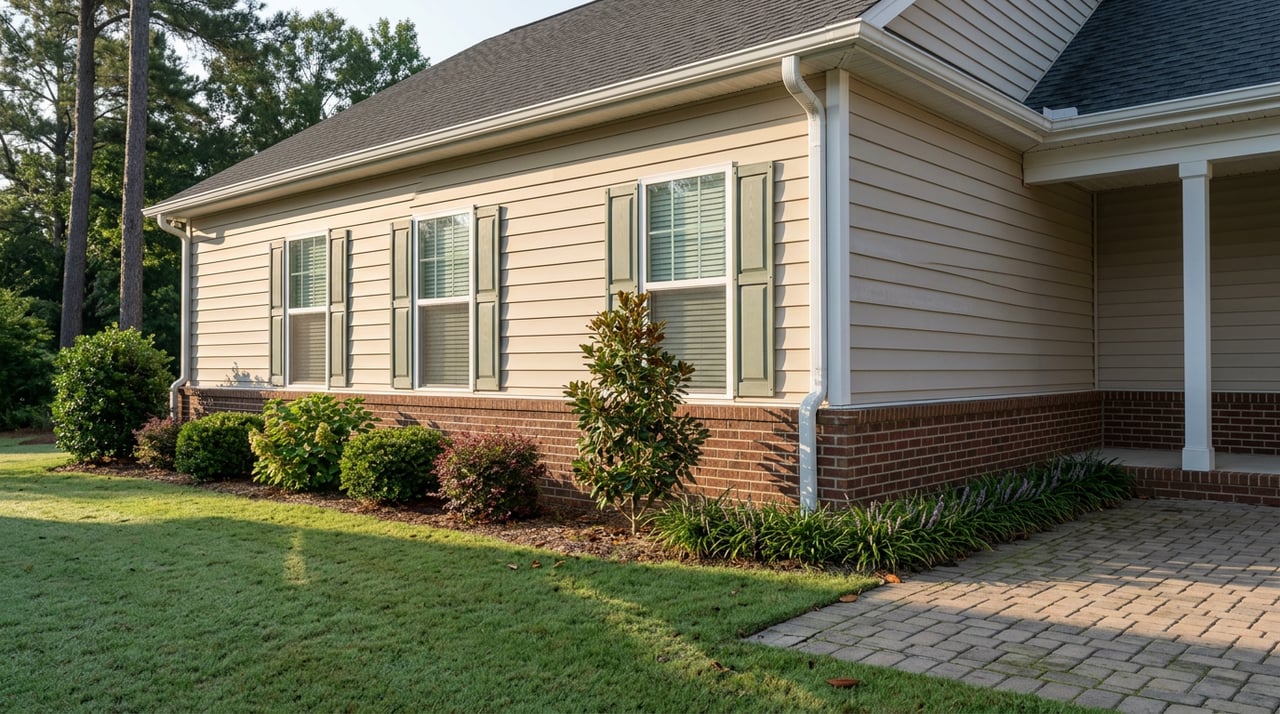
- broken gutters
- roof concerns
- loose handrails
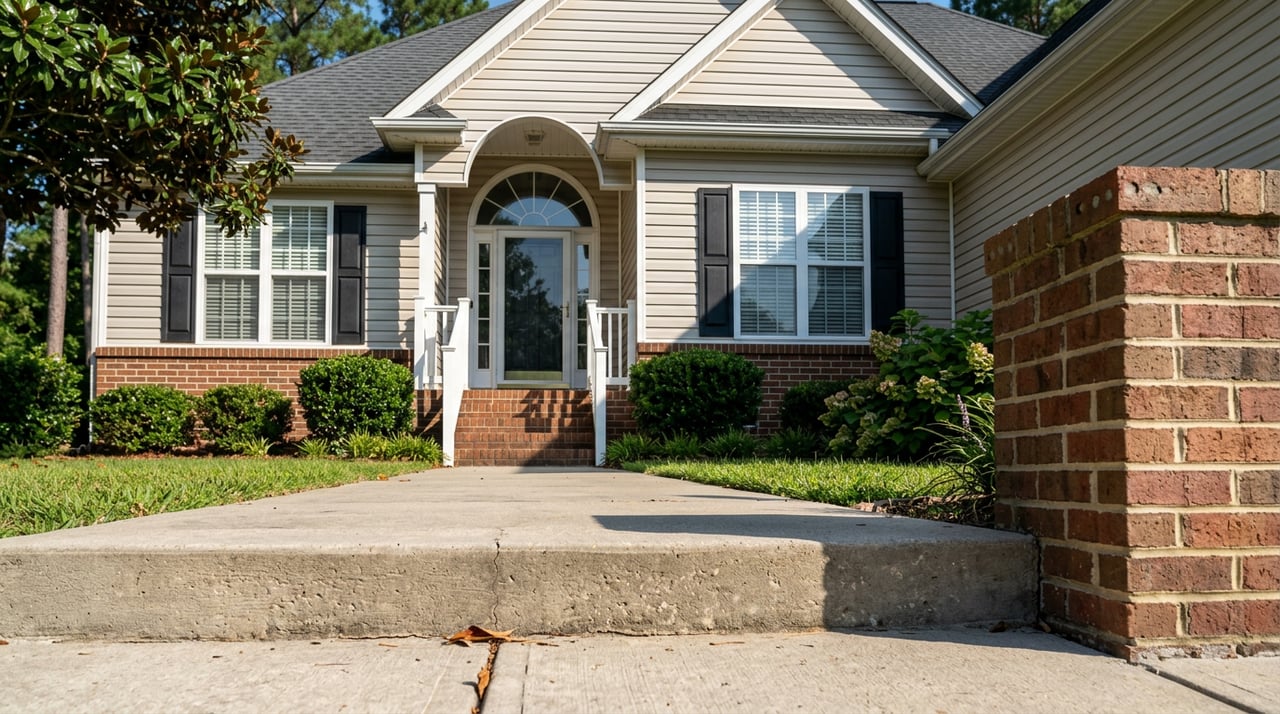
- cracked steps or unsafe walkways
- rotted wood or other visible exterior damage
These are the kinds of issues that can affect first impressions and create questions about how well the home has been maintained overall.
Review past and planned work
Before you start any project, make sure you understand whether a permit is needed. In Acworth, building permits are typically required for most construction, while ordinary repairs like painting, flooring, replacing shingles, siding, or windows usually do not require one.
Structural changes, additions, decks, porches, basement finishes, and certain electrical, plumbing, or HVAC work do require permits. The city also states that inspections must happen before work is covered. If you are unsure whether something in your home was permitted properly, it is smart to confirm with Acworth Building Services early rather than wait for a buyer to ask questions later.
Handle safety concerns first
A pre-listing checklist should always put safety before cosmetics. If you know about an active leak, exposed wiring, plumbing issues, unstable flooring, or anything else that creates a functional concern, move that to the top of your list.
Even in a strong market, buyers tend to react more strongly to safety and system concerns than to dated finishes. A home does not have to be perfect, but it should feel cared for and functional.
Know if your home is pre-1978
If your Acworth home was built before 1978, lead-based paint rules need to be part of your planning. For any prep work that disturbs painted surfaces, such as sanding or scraping, lead-safe practices matter.
For most sales of pre-1978 housing, sellers must also disclose known lead-based paint information before the sale. If your home falls into this age range, it is best to identify that early so you are not scrambling once the listing paperwork begins.
Focus on appearance 2 to 4 weeks out
Once repairs and bigger issues are underway, shift to what buyers will see first. This stage is about reducing friction and making the home feel clean, bright, and easy to say yes to.
Improve curb appeal
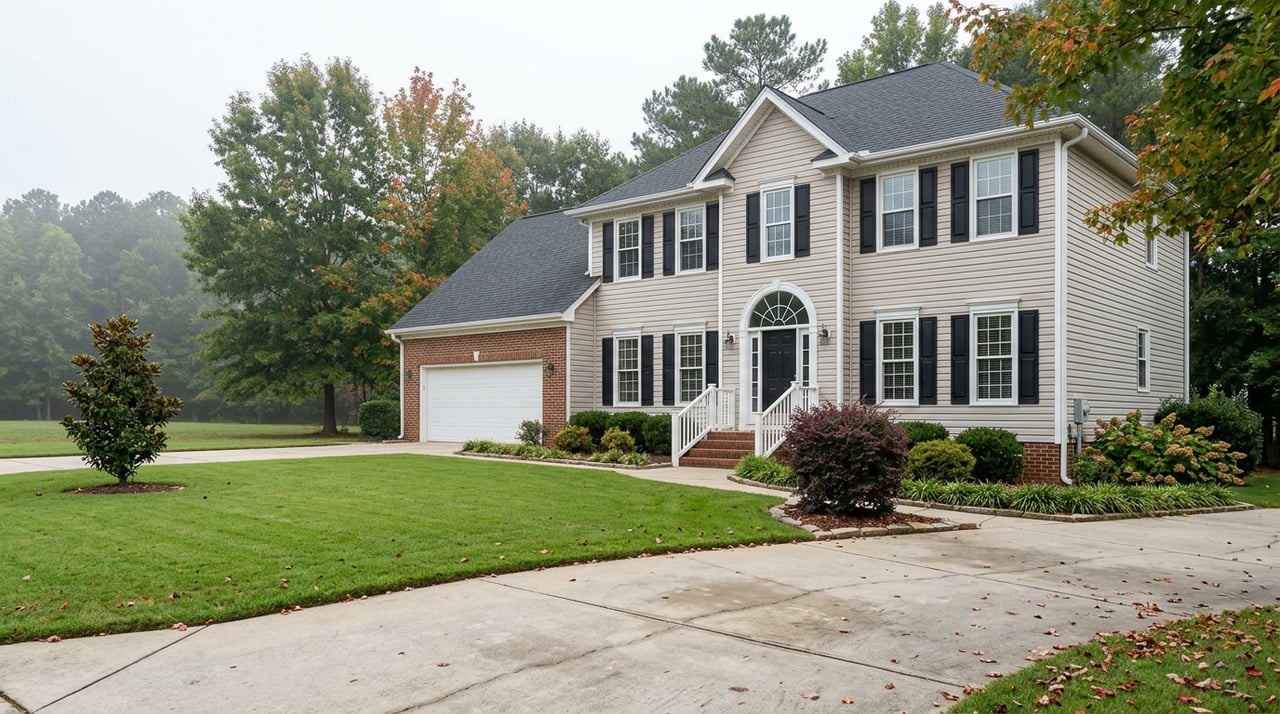
Your exterior sets the tone before a buyer ever opens the front door. In the weeks before listing, focus on the yard, driveway, front entry, windows, outdoor lighting, and overall tidiness.
Acworth’s code compliance standards are helpful here too. The city prohibits disabled vehicles in front, side, or rear yards and requires outside storage to be screened from public view. For sellers, that means cleaning up visible clutter is not just good marketing. In some situations, it also helps align the property with local code expectations.
Declutter room by room
Buyers do not need a redesigned home. They need a home that feels easy to understand and easy to imagine living in.
A good decluttering pass usually includes:
- clearing countertops
- thinning out crowded furniture
- removing excess decor
- organizing closets
- storing off-season items
- cleaning out the garage
- putting away personal or bulky items that distract in photos
The goal is not to erase personality. It is to make the space feel open, functional, and well maintained.
Deep clean everything
A deep clean can do more for perceived value than many small upgrades. Clean windows, dust-free surfaces, fresh-smelling rooms, and spotless kitchens and baths all signal that a home has been cared for.
Pay extra attention to:
- baseboards and trim
- light fixtures and ceiling fans
- grout and caulk lines
- appliance fronts
- floors and carpets
- pet areas
- entry doors and glass
When homes are selling near list price, details like cleanliness can still influence how confident a buyer feels when making an offer.
Use light cosmetic fixes wisely
Most Acworth sellers do not need a full remodel before listing. In many cases, low-cost touch-ups have the better return.
That can include:
- patching small wall damage
- touching up scuffed paint
- replacing burned-out bulbs
- tightening loose hardware
- updating a few worn fixtures
- re-caulking around tubs or sinks
Think of this stage as polishing, not reinventing. You are trying to remove distractions, not take on a major renovation project right before listing.
Get your paperwork ready in the final week
As your home gets closer to market, start building your seller file. This can save time once buyers begin asking questions and once the deal moves toward closing.
Gather property records
Useful records often include your deed or legal description, recent tax records, and parcel details. Cobb County’s tax assessor manages property valuation records and a tax parcel viewer, so those records can help confirm property information before the listing goes live.
Having these basics organized can make the process feel much smoother. It also helps reduce last-minute scrambling if a title, appraisal, or buyer question comes up quickly.
Organize renovation documents
If you have completed updates or renovations, gather any permits, final inspections, warranties, and service records. This is especially important in Acworth because permitted work must pass inspections before it is covered, and unpermitted work can require correction and proper permitting.
If you have records for HVAC service, roof work, appliance warranties, plumbing repairs, or contractor invoices, keep them in one place. Buyers often appreciate clear documentation, and it can support confidence in the home’s condition.
Include HOA and utility information
If your home is part of an HOA, collect the documents and basic community information you already have available. It is also helpful to assemble utility details, service provider information, and any recurring maintenance records.
These may seem small, but they often come up during due diligence. The more organized you are upfront, the easier it is to respond clearly and quickly.
Understand disclosure in Georgia
Georgia real estate is often described through the idea of caveat emptor, or “buyer beware.” But for a seller, that does not mean hiding known problems is acceptable.
Georgia case law recognizes important exceptions involving fraud, active concealment, and passive concealment when a seller knows about a defect a buyer would not reasonably discover. The practical approach is straightforward: fix what you can, disclose what you know, and do not try to game the inspection process.
Be honest about known issues
If you know about roof leaks, water intrusion, foundation movement, repeated plumbing backups, or other material problems, treat those issues seriously. Even if you decide not to repair every item, you should be prepared to address them honestly.
That approach protects trust and usually leads to a cleaner transaction. Surprises discovered late in the process often cost more time and negotiation leverage than upfront transparency.
Plan ahead for older homes
If your home was built before 1978, the federal lead-based paint disclosure process is one of the most important checklist items. Sellers must disclose known lead-based paint or hazards, provide available records and reports, and provide the required EPA pamphlet.
Buyers must also be given an opportunity for a 10-day inspection or risk-assessment period if they choose. If your Acworth home is older, flag this well before listing so the sale process starts on solid footing.
How much prep is enough?
This is one of the most common seller questions, and the answer is usually simpler than people expect. In Acworth, enough prep means your home shows as clean, safe, functional, and well cared for.
You do not need to make your house look brand new to attract serious buyers. You do need to remove obvious repair issues, tidy up what buyers can see, and organize the documents that support a smooth transaction.
A smart pre-listing plan usually comes down to three priorities:
- Fix issues that affect safety, function, or buyer confidence.
- Clean up condition and presentation so the home photographs and shows well.
- Gather records early so paperwork does not slow you down later.
That balanced approach tends to serve sellers well in a market where buyers still have choices and where homes that feel move-in ready often create less friction.
If you are not sure where to spend money and where to leave things alone, a local, property-specific walkthrough can help you separate must-do items from nice-to-do ones. That kind of strategy is often what keeps sellers from over-improving or under-preparing.
When you are ready to create a listing plan that fits your timeline and your home, Amber Stout can help you prioritize the right prep, price with local context, and bring your Acworth home to market with confidence.
FAQs
What should I fix before listing my home in Acworth?
- Start with safety issues, visible maintenance problems, and anything an inspector or appraiser is likely to flag, such as roof concerns, damaged trim, broken gutters, leaks, plumbing or electrical issues, and other functional defects.
Do I need a permit for work done on my Acworth home?
- In Acworth, ordinary repairs like painting, flooring, replacing shingles, siding, or windows usually do not require permits, but structural changes, additions, decks, porches, basement finishes, and some electrical, plumbing, or HVAC work typically do.
What documents should I gather before listing a home in Acworth?
- A strong seller file often includes the deed or legal description, recent tax records, parcel details, HOA documents if applicable, utility information, warranties, service records, and permits with final inspections for renovations.
What should sellers of pre-1978 homes in Acworth know?
- If your home was built before 1978, you should plan for lead-safe work practices during prep that disturbs painted surfaces and be ready to complete the required lead-based paint disclosure steps before sale.
How much home prep is enough for the Acworth market?
- For most sellers, enough prep means making the home clean, safe, functional, and visually cared for rather than taking on a full remodel right before listing.