If you are thinking about buying a single-family rental in Dallas, GA, it is easy to get pulled in by list price, projected rent, or a quick online calculator. The challenge is that a property can look solid on the surface and still miss the mark once you account for taxes, condition, and the right rent comps. This guide will help you evaluate Dallas rental homes with a clearer framework so you can compare opportunities more confidently. Let’s dive in.
Start With Dallas-Specific Data
One of the biggest mistakes you can make is using countywide numbers to judge a Dallas property. According to U.S. Census QuickFacts for Dallas city, Dallas had a 2024 median household income of $75,545, median gross rent of $1,492, and a 57.6% owner-occupied rate. Paulding County overall posts higher income and rent figures, so county averages can make a Dallas house look stronger or weaker than it really is.
That matters because your rental analysis should match the city and the specific property type. If you are evaluating a detached home in Dallas, you want Dallas-focused rent signals and home-specific expenses, not a broad county average that blends together very different housing patterns.
Understand Dallas Rental Demand
Dallas has been growing, and that helps explain why single-family rentals remain relevant here. Census data shows the city population grew 7.2% from 2020 to 2024, with 26.0% of residents under age 18 and an average household size of 2.78 people. While that is not a rent forecast, it does support the idea that 3-bedroom and 4-bedroom detached homes may align better with local demand than smaller-unit assumptions alone.
A City of Dallas redevelopment plan also estimated that about 75% of the household population lived in single-family homes or townhomes. That is one reason single-family rentals are worth studying closely in this market.
Use Current Rent Data Carefully
When you estimate rent, make sure you are comparing the subject property to the right homes. Zillow currently shows Dallas rental market trends at an average rent of $2,083 across all property types, with 3-bedroom homes at $1,895 and 4-bedroom homes at $2,470.
Those numbers are useful, but they are not the same as Census median gross rent. Census captures a different measure and often from a different time period, so the two sources should not be used as if they are interchangeable. A better approach is to treat Zillow as a current asking-rent signal and then narrow your analysis to detached homes with similar bedroom count, age, and overall condition.
Compare Rent to Value First
A simple first-pass screen is the gross rent-to-value ratio. Based on Zillow’s current Dallas figures, average rent of $2,083 against a home value of $350,537 suggests a rough gross rent-to-value ratio of about 7.1% before any expenses.
That can help you decide whether a deal deserves a deeper look. It is not a final underwriting tool, but it gives you a fast way to compare homes and nearby markets.
See How Dallas Stacks Up Nearby
If you are comparing Dallas with other northwest Atlanta suburbs, Dallas can look attractive on a value basis. Zillow shows approximate home values of $309,040 in Hiram, $363,229 in Powder Springs, $406,640 in Acworth, and $403,299 in Kennesaw, while average rents sit around $2,030 in Hiram, $2,084 in Powder Springs, $2,130 in Acworth, and $1,809 in Kennesaw, based on nearby home value and rent data.
Using that same rough screen, Dallas appears to land near 7.1%, compared with roughly 7.8% in Hiram, 6.9% in Powder Springs, 6.3% in Acworth, and 5.4% in Kennesaw. In plain terms, Dallas looks less expensive than some nearby suburbs while keeping rent levels in a similar general band. That can improve gross yield on paper, but the real outcome still depends on the individual property.
Match the Property to Real Comps
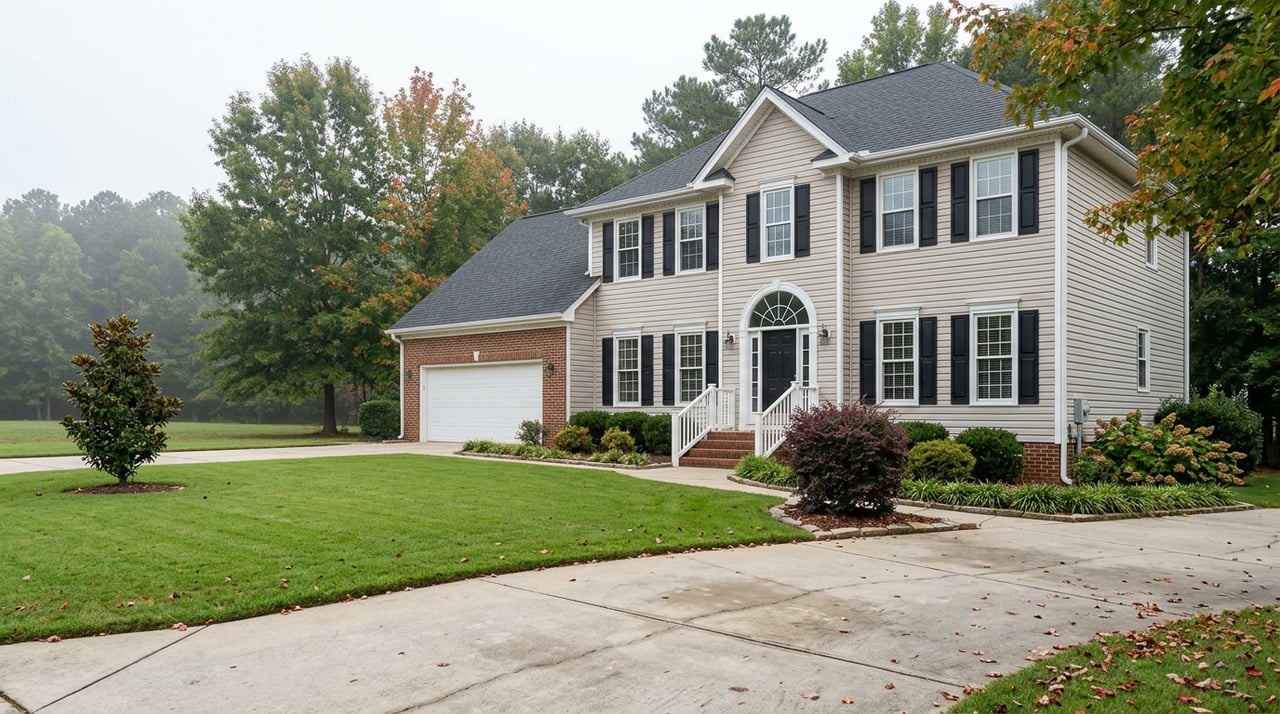
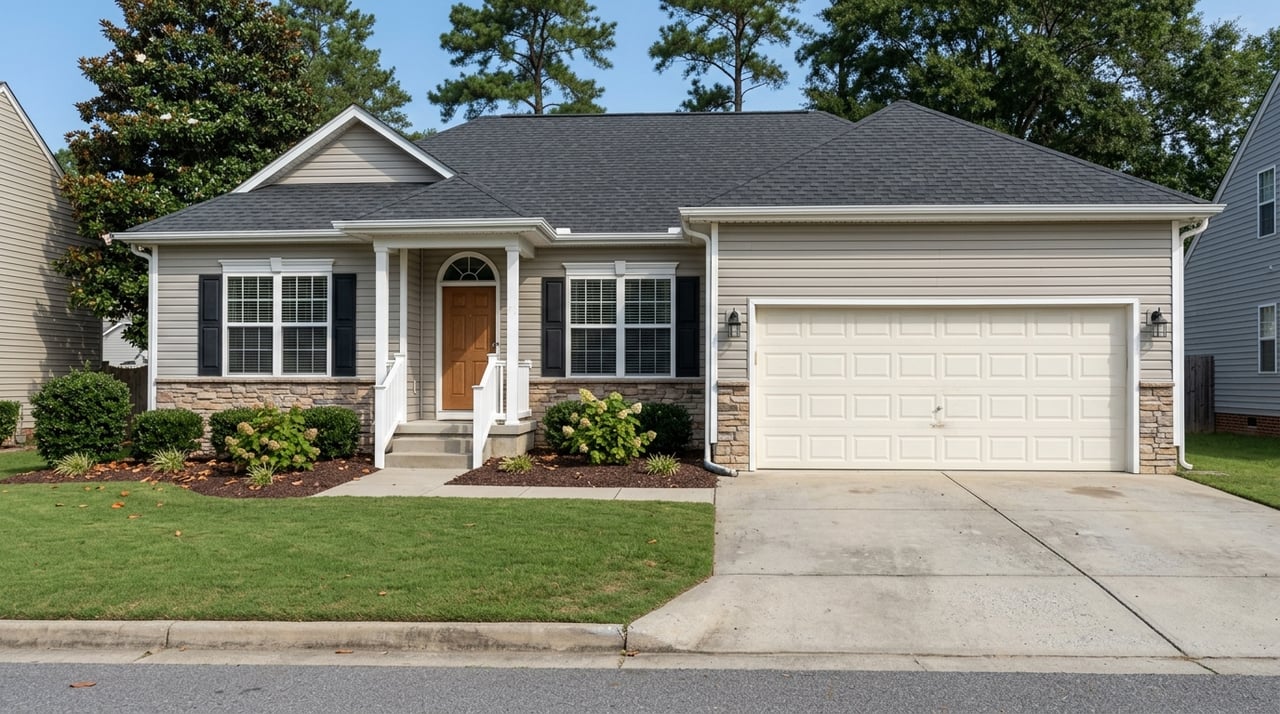
The subject home should be measured against true rental comps, not just citywide averages. A 4-bedroom house with a newer roof, updated systems, and a two-car garage should not be judged the same way as an older 3-bedroom home needing repairs.
Focus on comps that match the property in a few key areas:
- Detached single-family format
- Similar bedroom count
- Similar age and condition
- Similar lot size and functional layout
- Similar location within Dallas
This step matters because broad averages can hide meaningful differences between neighborhoods, build eras, and house sizes.
Model Taxes at the Parcel Level
Property taxes can change your numbers more than many buyers expect. In Georgia, property is assessed at 40% of fair market value, and Paulding County tax guidance notes that the tax commissioner collects county, school, and state taxes, while municipalities may levy separately.
For Dallas properties, the City of Dallas posted a 2025 millage rate of 6.5 mills, and Paulding County set FY2026 millage at 24.875 mills. Because tax bills can vary based on the exact parcel and taxing authorities attached to it, you should underwrite taxes using the specific property record instead of relying on a citywide or countywide estimate.
Don’t Underestimate Operating Costs
A rental home can show a decent gross yield and still underperform after expenses. Your analysis should include more than principal, interest, taxes, and insurance.
At a minimum, budget for:
- Insurance
- Routine repairs
- Capital reserves
- Vacancy and turnover
- Property management
- Leasing costs
- Utilities that may be owner-paid
- HOA dues, if applicable
If the home is inside Dallas city limits, trash service deserves a closer look. According to the city’s sanitation information, service is limited to annexed city-limit addresses, so sanitation may become a landlord expense on some properties.
Pay Close Attention to Age and Condition
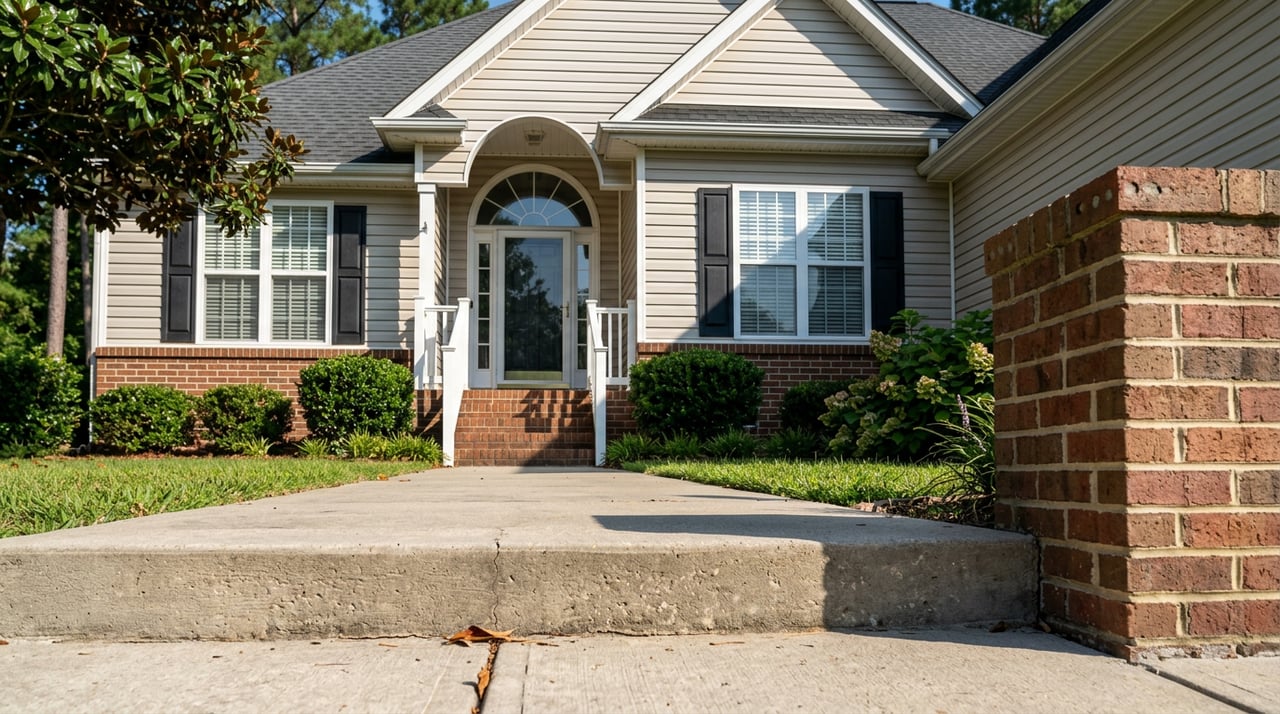
Condition is where many rental deals are won or lost. The Dallas redevelopment plan estimated a median year built of 2001, which suggests a lot of housing is not brand new but also not especially old by metro standards. Even so, older homes, especially in certain core areas, may need a higher reserve budget for systems, roofing, flooring, or recurring turnover work.
The same redevelopment plan includes an older investor-owned single-family sample from the downtown and Memorial Drive redevelopment area. That should be treated as a caution sign for certain core-area properties, not as a citywide average. In practice, that means you should be especially careful with homes that look cheap for a reason.
Watch the Market Pace
Current market speed also affects your strategy. Zillow places Dallas home values around $350,537, with homes going to pending in about 65 days and classifies the rental market as cool, with 279 available rentals on its Dallas page.
That combination can create both opportunity and risk. You may have more room to negotiate on some purchases or to shop carefully among rental listings, but you still need to be realistic about lease-up time, pricing, and concessions if supply feels loose.
Build a Practical Evaluation Checklist
If you want a simple process for screening a Dallas single-family rental, use this order:
- Confirm the property is in Dallas city, not just Paulding County.
- Pull current detached-home rent comps with similar bedroom count and condition.
- Compare asking rent to home value as a quick screening tool.
- Estimate taxes from the actual parcel, not a generic average.
- Add full operating expenses, including management, reserves, vacancy, and turnover.
- Review age and deferred maintenance closely.
- Check whether trash, HOA, or other recurring costs affect the landlord.
- Stress-test your numbers in case rent comes in lower or repairs come in higher than expected.
That process will not eliminate every risk, but it can help you avoid the most common underwriting mistakes.
Focus on the Property, Not the Headline
The best rental analysis in Dallas, GA is rarely about one flashy metric. A house may look appealing because the price is lower than Acworth or Kennesaw, or because projected rent looks close to nearby suburbs. What matters most is whether the subject property supports the rent you expect after realistic taxes, expenses, and condition adjustments.
If you are weighing a purchase or thinking about converting a home into a rental, a local, property-level review can save you from costly assumptions. If you want a practical second opinion on a Dallas-area home, connect with Amber Stout for a free consultation.
FAQs
What rent data should you use for a Dallas, GA single-family rental?
- Use current detached-home comps that closely match the subject property in bedroom count, age, and condition, and use city-specific Dallas data rather than countywide averages.
How should you estimate property taxes for a Dallas rental home?
- Estimate taxes at the parcel level using the property’s actual tax record because city and county millage components can vary and broad averages may be misleading.
Is Dallas, GA better for rental yield than nearby suburbs?
- Dallas may show a stronger rough gross rent-to-value screen than some pricier nearby suburbs, but the final result depends on the specific home’s taxes, insurance, condition, and operating costs.
Why can’t you compare Census rent data directly with Zillow rent data in Dallas?
- Census median gross rent and Zillow asking-rent figures come from different methods and timeframes, so they should be used for context, not treated as direct equivalents.
What expenses matter most when evaluating a single-family rental in Dallas, GA?
- Key costs include insurance, repairs, capital reserves, vacancy, turnover, property management, leasing costs, HOA dues, and any owner-paid utilities or sanitation costs.