Wondering why some homes in Dallas, Georgia seem to move smoothly while others sit for weeks? In a market where buyers have options, selling well usually comes down to preparation, pricing, and a steady plan from day one. If you want to sell with less stress and fewer surprises, this guide will walk you through what matters most in Dallas and Paulding County. Let’s dive in.
Understand the Dallas market first
Dallas is not the kind of market where you can throw a sign in the yard and expect instant results. Recent market trackers point to a balanced to moderate market, with homes commonly taking around 47 to 50 days to go pending or sell, depending on the source. Sale-to-list ratios also suggest that buyers are paying close to asking price when a home is positioned well, but not blindly overpaying.
That matters because your strategy needs to be realistic from the start. In Paulding County, current data shows a meaningful number of homes for sale, which gives buyers room to compare options. When buyers can choose, they tend to notice condition, presentation, and price more carefully.
Price for the market you have
A strong list price is one of the most important parts of your game plan. In a balanced market, an ambitious price can cost you momentum during the first few weeks, which are often when your listing gets the most attention. If your home launches too high, buyers may skip it, wait to see if you reduce the price, or compare it unfavorably to better-prepared listings.
That does not mean pricing low. It means pricing credibly based on current competition, local demand, and how your home shows online and in person. In Dallas, where market trackers show median days on market in the mid-40s to about 50 days, first impressions and pricing discipline often work better than testing the market.
Prep before you list
The best time to fix small issues is before buyers walk through the door. Once your home is live, every unfinished project can become a distraction or a negotiation point. A clean launch helps you protect value and reduce buyer hesitation.
National staging data supports this approach. According to the National Association of REALTORS® 2025 Profile of Home Staging, many agents reported that staging helped buyers visualize the home, reduced time on market, and in some cases increased the dollar value offered. You do not need to make your home look like a magazine spread, but you do want it to feel clean, open, and easy to picture living in.
Focus on the rooms buyers notice first
If you are short on time or budget, start with the spaces that usually create the biggest first impression:
- Living room
- Primary bedroom
- Dining room
- Kitchen
These rooms often shape the emotional response buyers have to the home. If they feel bright, functional, and well cared for, the rest of the property tends to land better.
Use a practical pre-list checklist
A realistic seller prep plan for Dallas should include:
- Decluttering surfaces, closets, and storage areas
- Deep cleaning floors, windows, kitchens, and bathrooms
- Neutralizing highly personal decor
- Touching up obvious cosmetic flaws like chipped paint or loose hardware
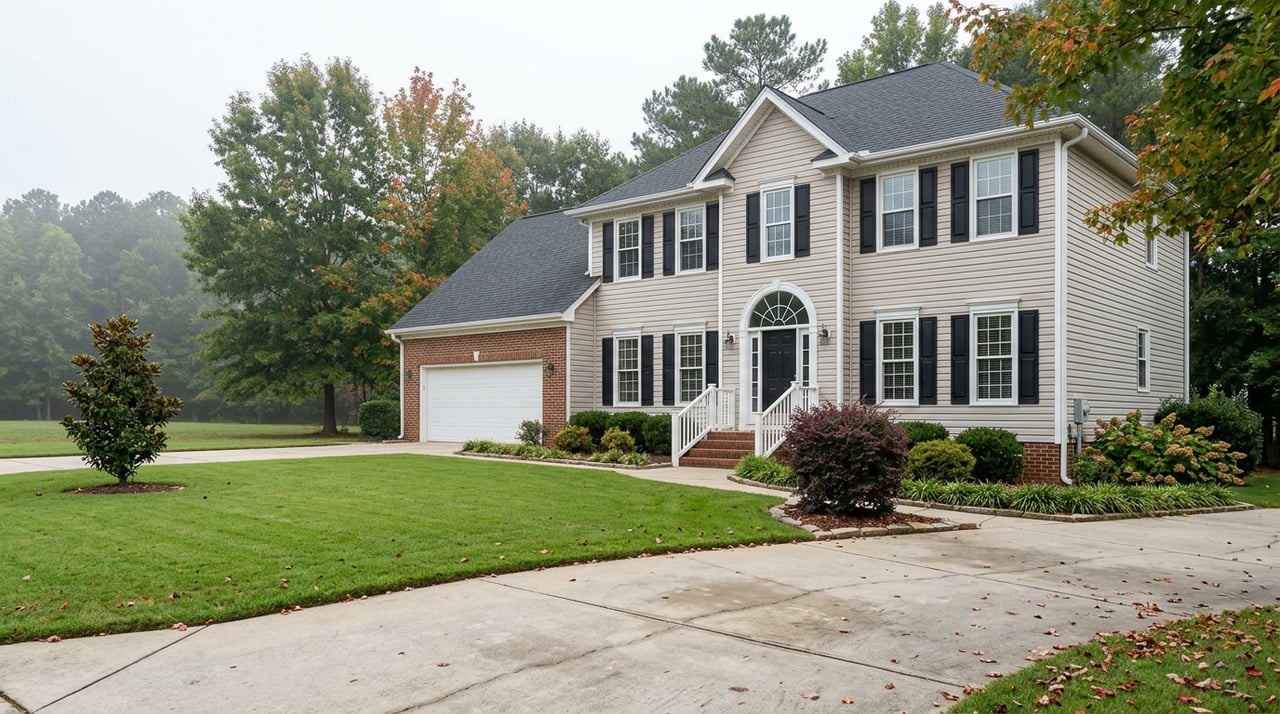
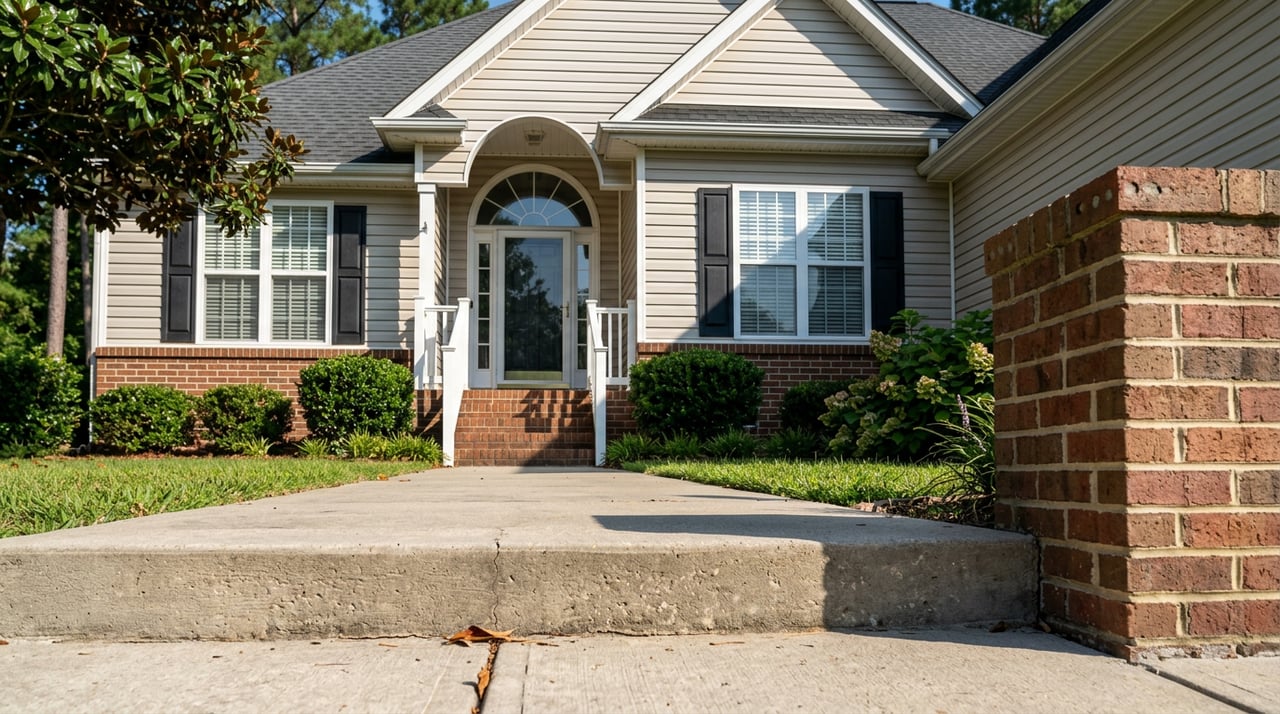
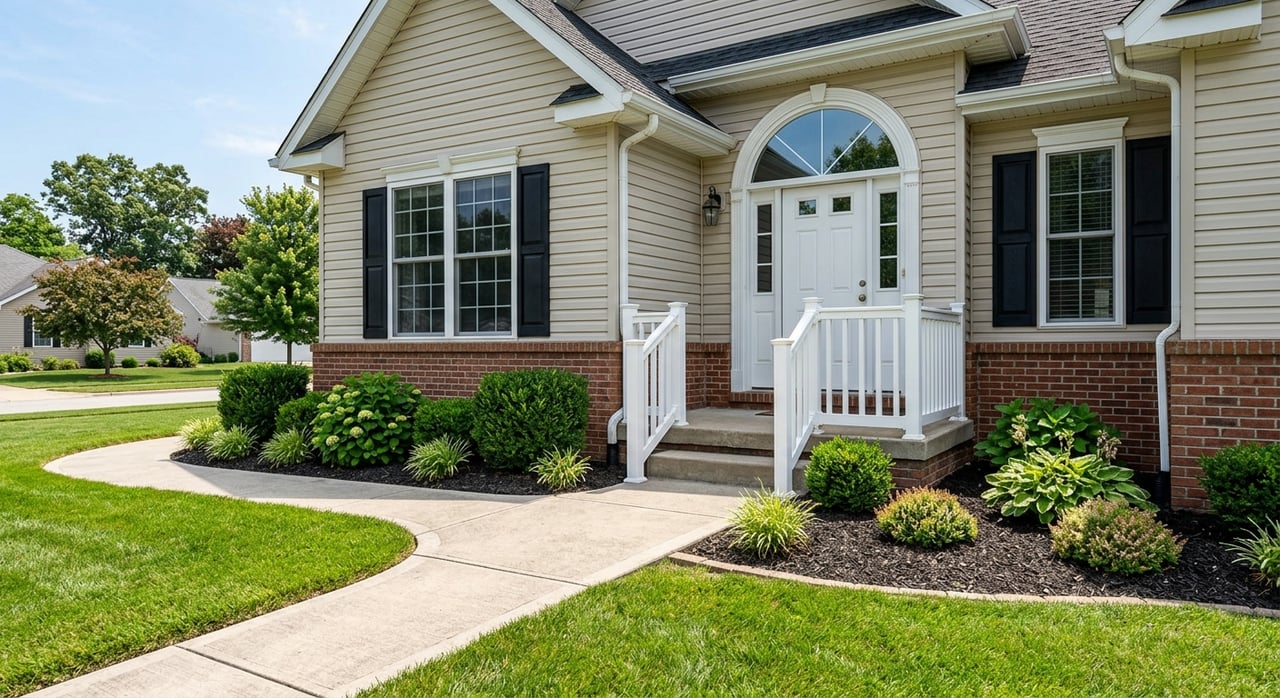
- Making sure the front entry and front elevation look maintained
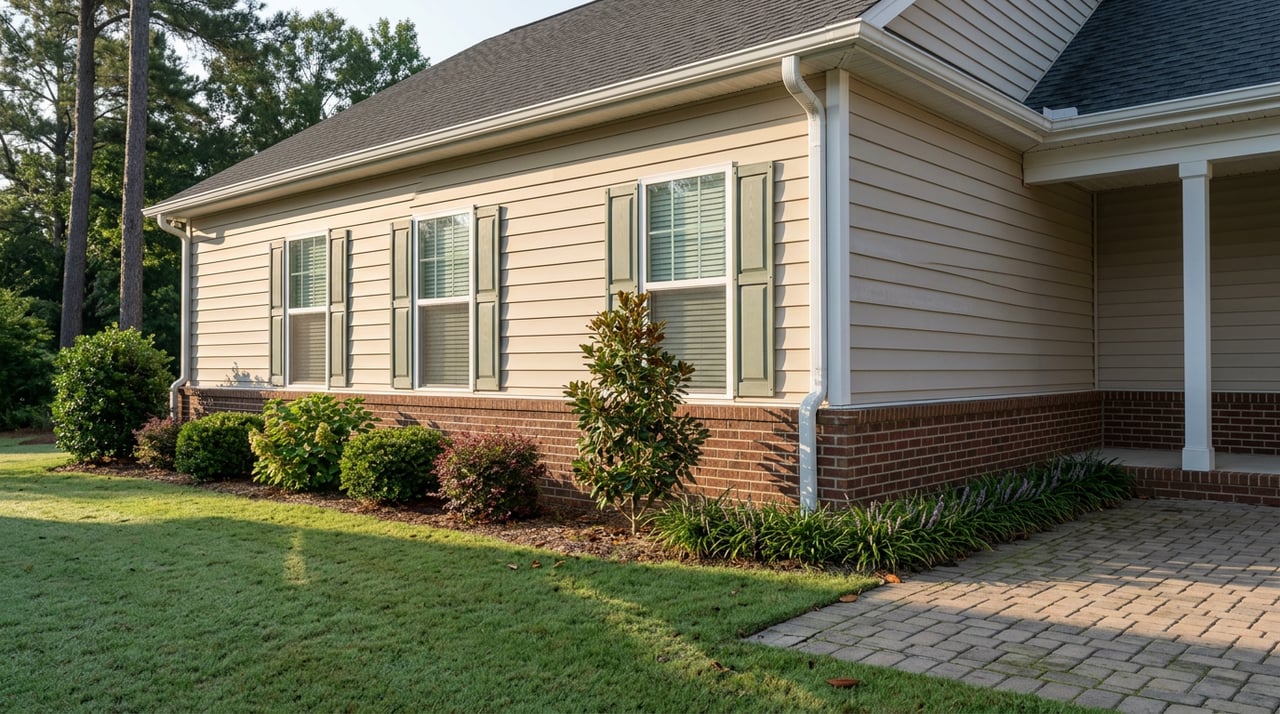
- Finishing basic yard cleanup and trimming
This kind of prep matters because buyers often see your home online before they ever schedule a showing. Photos, video, and other listing media now play a major role in whether a buyer decides your home is worth a visit.
Get photo-ready before day one
Your launch should happen only when the home is truly ready. In a market like Dallas, where homes are not disappearing overnight, going live too early can hurt more than help. If photos show clutter, incomplete repairs, or uneven presentation, buyers may move on before you have a chance to correct the impression.
A polished launch usually includes a clean house, strong listing photos, clear pricing, and the basic paperwork ready to go. This is where a full-service listing strategy can make a real difference. The goal is not just to get listed. The goal is to make your first week count.
Time your launch, but do not chase perfection
You have probably heard that spring is the best time to sell. Realtor.com’s 2026 analysis says the national best week to list was April 12 through 18, and it also notes that spring tends to bring stronger market activity. The same report points out that sellers in the South may see a bigger benefit from entering the early spring season.
That said, there is a difference between smart timing and waiting for a perfect date. In Dallas, a well-prepared home can still attract strong interest outside peak spring if the pricing and presentation are right. The cleaner strategy is to prepare early, then launch when your home is fully ready rather than rushing to hit a specific week.
Speak to what Dallas buyers want to know
Local buyers often care about day-to-day living as much as square footage. Dallas and Paulding County are known for suburban space, commuter corridors, parks, and amenities like the historic downtown area and the Silver Comet Trail. Buyers may also ask about practical items such as commute routes, nearby recreation, and school zone information.
That does not mean making broad claims or using hype. It means presenting your home with clear, factual details and being prepared for common buyer questions. Georgia brokerage guidance recognizes that buyers and brokers may review information such as school district boundary maps, transportation maps, flood plains, crime statistics, and tax maps as part of their decision-making.
Highlight facts, not fluff
When marketing your home, focus on details that are accurate and useful, such as:
- Home size and layout
- Lot features
- Nearby parks, trails, or downtown access
- Major commuting routes
- Community amenities, if applicable
- Recent updates or improvements
A buyer is more likely to trust a listing that feels informative and grounded. Clear facts help your home stand out without overselling.
Be ready for offers and negotiations
Once your home hits the market, momentum matters. A prompt response to showings, questions, and offers can help keep serious buyers engaged. If interest is slower than expected, your pricing and presentation should be reviewed quickly rather than letting the listing drift.
When offers come in, the highest number is not always the strongest offer. Terms, financing, contingencies, inspection expectations, and closing timeline all affect how likely a contract is to reach the finish line. A calm, organized negotiation process can protect your bottom line and reduce the risk of the deal falling apart later.
Handle inspections with a plan
Georgia is still largely a caveat emptor state, which means buyers are expected to do their own due diligence. At the same time, sellers cannot conceal known defects, and Georgia law requires brokers to disclose adverse material facts they actually know in certain situations. In plain terms, honesty and documentation matter.
The inspection period does not have to derail your sale. The best approach is to expect it, prepare for it, and respond with clear records and a steady process. If issues come up, repair requests or credits may be worth considering when they help keep the transaction moving.
Common inspection game plan
Before listing, it helps to:
- Gather records for major repairs or replacements
- Note known issues honestly
- Address obvious maintenance concerns early
- Be prepared to respond quickly to repair requests
- Keep communication organized and documented
In a market where buyers have options, a seller who appears transparent and prepared often creates more confidence than one who reacts defensively.
Know two Georgia-specific disclosure points
There are two important items many sellers should keep on their radar.
First, if your home was built before 1978, federal law generally requires sellers to disclose known lead-based paint information, provide any available records, and allow a 10-day window for an inspection or risk assessment. This is a required part of the process for most applicable homes, so it is best to prepare for it early.
Second, wood infestation concerns can come up during the transaction. In Georgia, the Official Georgia Wood Infestation Inspection Report is the state form used to report wood-destroying organisms and conditions that may contribute to them. That report can only be issued by a licensed pest-control company.
Keep the contract moving to closing
A smooth closing usually starts long before closing day. If you have already handled prep work, documentation, pricing, and marketing before listing, you are in a much better position once you go under contract. The fewer loose ends you leave upfront, the easier it is to stay on track.
This is especially important in Dallas and Paulding County right now. With homes often taking several weeks to move through the market, the sellers who stay organized are better positioned to avoid delays, reduce stress, and close with fewer surprises.
Build your Dallas seller game plan
If you are planning to sell a home in Dallas, your best move is to think beyond the list date. A solid game plan includes market-aware pricing, focused prep, polished media, a clean launch, and a steady response plan for offers and inspections. That combination gives you a better shot at attracting serious buyers and protecting your sale from avoidable problems.
You do not need a flashy strategy. You need a practical one that fits the local market and helps your home make a strong first impression. If you want thoughtful guidance on pricing, presentation, and the steps to get your home ready, Amber Stout is here to help.
FAQs
How long does it usually take to sell a home in Dallas, GA?
- Recent market trackers in Dallas and Paulding County show median time on market or time to pending at roughly 47 to 50 days, though timing can vary based on price, condition, and competition.
What should sellers do before listing a home in Dallas, GA?
- Most sellers should declutter, deep clean, fix obvious cosmetic issues, improve curb appeal, and make the home fully photo-ready before the listing goes live.
Does staging help when selling a home in Paulding County?
- National staging data suggests staging can help buyers visualize a home, may reduce time on market, and can sometimes improve the final offer, especially in key rooms like the living room, primary bedroom, dining room, and kitchen.
When is the best time to list a home in Dallas, GA?
- Spring is typically more active, and early spring may be especially helpful in the South, but a well-prepared launch usually matters more than trying to hit one exact date.
What do buyers look for when shopping for homes in Dallas, GA?
- Buyers often compare price, condition, layout, lot size, commute access, nearby parks or trails, and other practical location details when deciding which homes to tour.
What do Georgia home sellers need to disclose during a sale?
- Georgia sellers should not conceal known defects, and some homes may require specific disclosures such as lead-based paint information for most homes built before 1978.