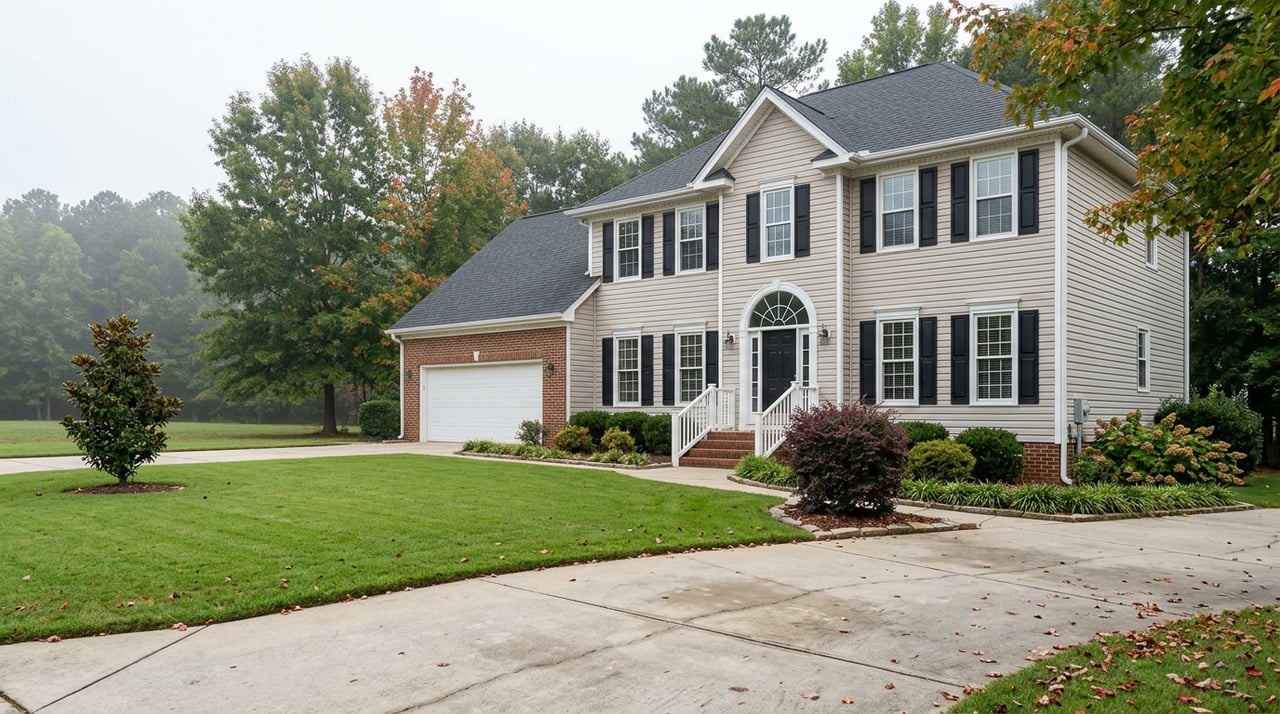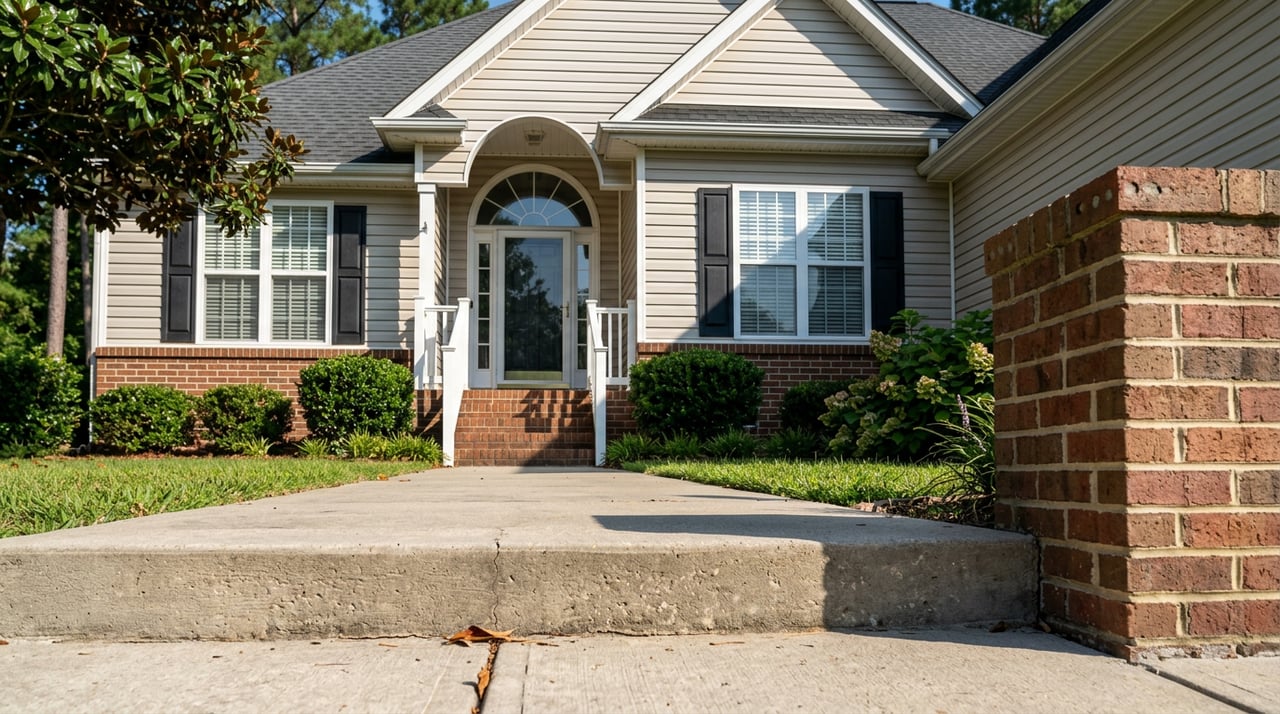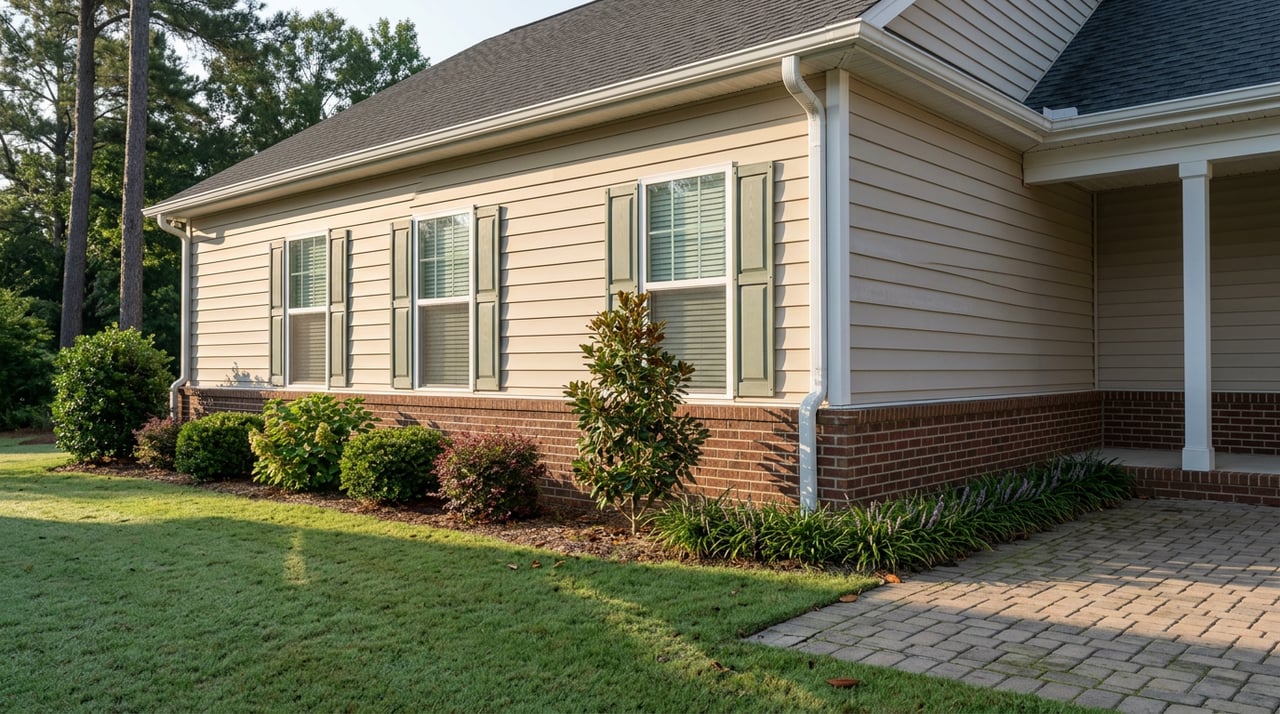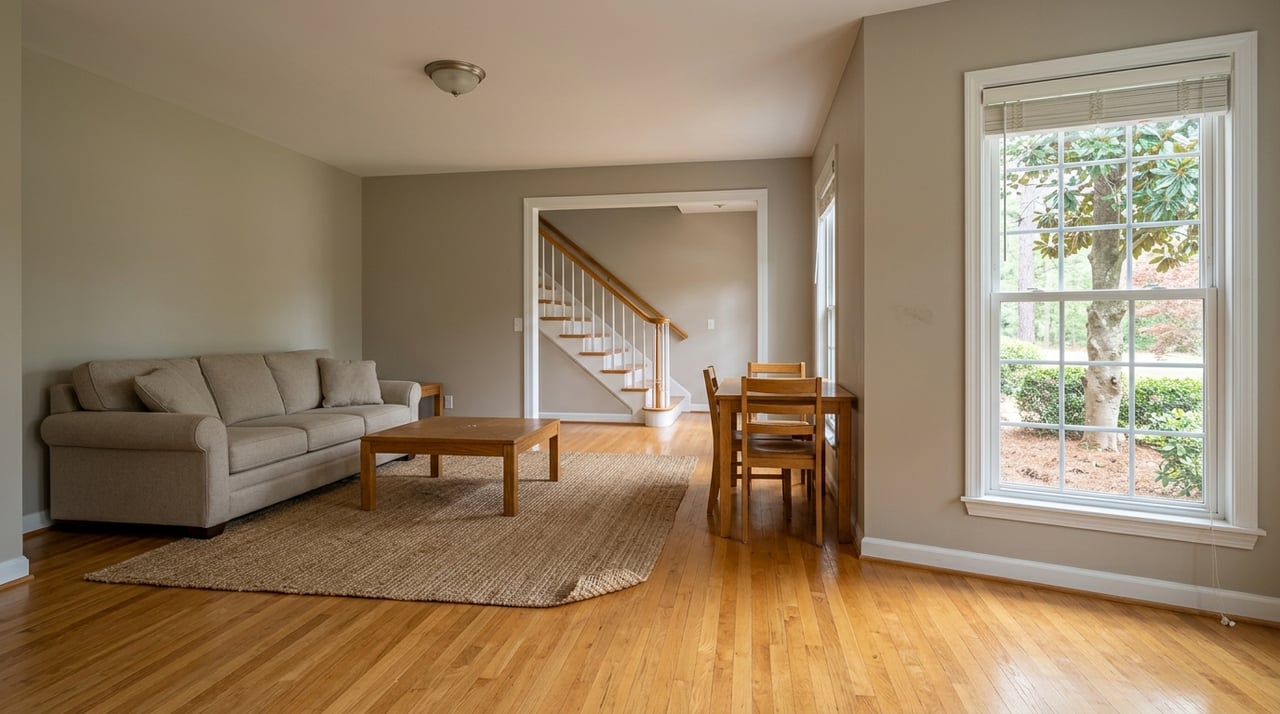
Trying to decide whether to sell or rent out your home in Dallas, GA? It is a common crossroads, especially if you are moving but not sure whether keeping the property could pay off. The right choice depends on your goals, your finances, and how much responsibility you want to carry after you move. Here is how to think through the decision with the Dallas market in mind.
Dallas Market Snapshot
Before you choose, it helps to understand what the local numbers are saying. In Dallas, recent public market snapshots point to a market that looks closer to balanced than overheated.
According to Redfin’s Dallas housing market data, the March 2026 median sale price was $286,875 and homes averaged 53 days on market. Zillow’s March 31, 2026 data also reflected a moderate pace, while Realtor.com’s Dallas overview reported a March 2026 median listing price of $390,695, about 1,000 homes for sale, 47 median days on market, and a 100% sale-to-list ratio.
On the rental side, the market is active, but not wildly outsized. Realtor.com’s rental data for Dallas showed a median rent of $1,870 per month in April 2026, while Zumper and Zillow rental snapshots placed the range closer to about $1,947 to $2,070 per month for houses.
That means both options may be viable on paper. The bigger question is which one fits your situation better.
When Selling Makes More Sense
For many homeowners, selling is the cleaner move. If your main goal is to cash out equity, reduce risk, or keep your next chapter simple, listing your home may be the more predictable path.
Selling can be especially appealing if you do not want to deal with vacancies, repairs, lease renewals, or tenant issues after you move. Even in a balanced market, recent Dallas figures suggest a sale is still realistic, with typical days on market in roughly the 47 to 60 day range based on public snapshots.
There is also a tax angle that matters. According to IRS Publication 523, qualifying homeowners may exclude up to $250,000 of gain on the sale of a main home, or up to $500,000 for married couples filing jointly.
That benefit can change if you convert the home to a rental first. The IRS notes that rental or business use can affect the exclusion, and depreciation tied to rental use generally must be recognized. In plain terms, if you are planning to sell within a few years anyway, waiting may make the tax picture more complicated.
Why Renting Can Work
Renting out your home can make sense if the numbers are solid and you want to keep the property as a long-term asset. This route may appeal to you if you have strong equity, healthy cash reserves, and a clear plan for managing the property.
Dallas does have a visible rental market. Realtor.com showed 235 rental properties, and the research also noted active rental inventory tracked by Zumper.
Still, rental demand alone does not guarantee a good investment. Using Realtor.com’s Dallas median home sale price and median rent, the rough gross rent yield comes out to about 5.7% before expenses. That is only a starting point, and it leaves limited room for surprises.
Once you subtract property taxes, insurance, maintenance, vacancy, leasing costs, and possible management fees, your actual return may look very different. If your projected rent only barely covers your monthly costs, renting may create more stress than value.
Run the Real Monthly Math
If you are leaning toward renting, start with the least exciting part of the decision: the math. A rental should be evaluated based on real monthly performance, not just the idea that home values may rise over time.
Ask yourself whether projected rent in the local range of about $1,900 to $2,070 per month would comfortably cover:
- Mortgage payment
- Property taxes
- Homeowners insurance
- Maintenance and repairs
- Vacancy periods
- Leasing costs
- Property management fees, if needed
If the answer is no, selling may be the more practical move. A narrow margin can disappear quickly after one major repair or one vacant month.
Consider the Legal and Management Side
Owning a rental is not just a financial decision. It is also an operational one.
According to the Georgia Department of Community Affairs Landlord-Tenant Handbook, the handbook is only an overview, and Georgia does not provide an agency that steps in to resolve landlord-tenant disputes. In many cases, disputes must be handled through the courts or through legal counsel.
That does not mean being a landlord is a bad idea. It does mean you should go in with clear expectations. If you do not want the responsibility of screening tenants, handling repairs, tracking lease terms, and navigating disputes, selling may feel far more manageable.
Do Not Overlook Homestead Changes
One detail many homeowners miss is the effect on homestead benefits. If your Dallas home is currently your primary residence, moving out and turning it into a rental may change your tax treatment.
According to Paulding County’s homestead exemption guidelines, eligibility requires the property to be owned and occupied as of January 1. Homeowners must also notify the assessor if they no longer qualify.
Georgia’s state guidance says much the same: most homestead exemptions continue only while the owner occupies the home as a legal residence. So if you convert your home to a rental, you may lose homestead benefits, which can raise your monthly ownership costs.
Ask These Four Key Questions
If you are stuck between selling and renting, these four questions can usually bring the answer into focus.
Will the home truly cash flow?
A rough rent estimate is not enough. You need to know whether the property will still make sense after taxes, insurance, maintenance, vacancy, and management costs.
Do you want to be a landlord?
Some owners are comfortable with the responsibility. Others want a clean break and less day-to-day stress. Be honest about your time, patience, and interest level.
Are you likely to sell in a few years anyway?
If yes, selling now may be simpler. The IRS guidance on selling a main home is one reason many homeowners choose not to delay.
Will moving out affect your tax benefits?
If your home currently qualifies for homestead treatment in Paulding County, converting it to a rental may change your cost structure. That needs to be part of your decision, not an afterthought.
A Simple Way to Think About It
In Dallas, selling often makes the most sense when you want clarity, liquidity, and fewer moving parts. It can help you unlock equity, simplify your finances, and avoid the legal and operational work that comes with being a landlord.
Renting can still be the right choice if your numbers are strong, your reserves are healthy, and you are comfortable managing the property like a business. The key is to make the decision based on realistic local rent levels and ownership costs, not guesswork.
If you are weighing both options, a local pricing strategy and a realistic rent analysis can help you see which path fits your goals best. If you want a calm, local conversation about your Dallas home and what the numbers may look like, reach out to Amber Stout for a free consultation.
FAQs
Should you sell or rent out a home in Dallas, GA if you want the simplest option?
- Selling is usually the simpler and more predictable option if you want to access equity and avoid landlord responsibilities.
What is the typical rent range for homes in Dallas, GA?
- Recent public rent trackers placed Dallas rents roughly between $1,870 and $2,070 per month, depending on the source and property type.
Does converting a Dallas home into a rental affect homestead exemption?
- Yes. In Paulding County, homestead exemption generally requires owner occupancy, so moving out may mean you no longer qualify.
Is the Dallas, GA housing market still active enough to sell a home?
- Yes. Public snapshots showed homes spending about 47 to 60 days on market, which suggests selling is still realistic even in a more balanced market.
What tax issue matters most when deciding whether to rent or sell a primary home?
- The IRS main-home sale exclusion can be important, because converting a primary residence to a rental may change how gains and depreciation are treated.