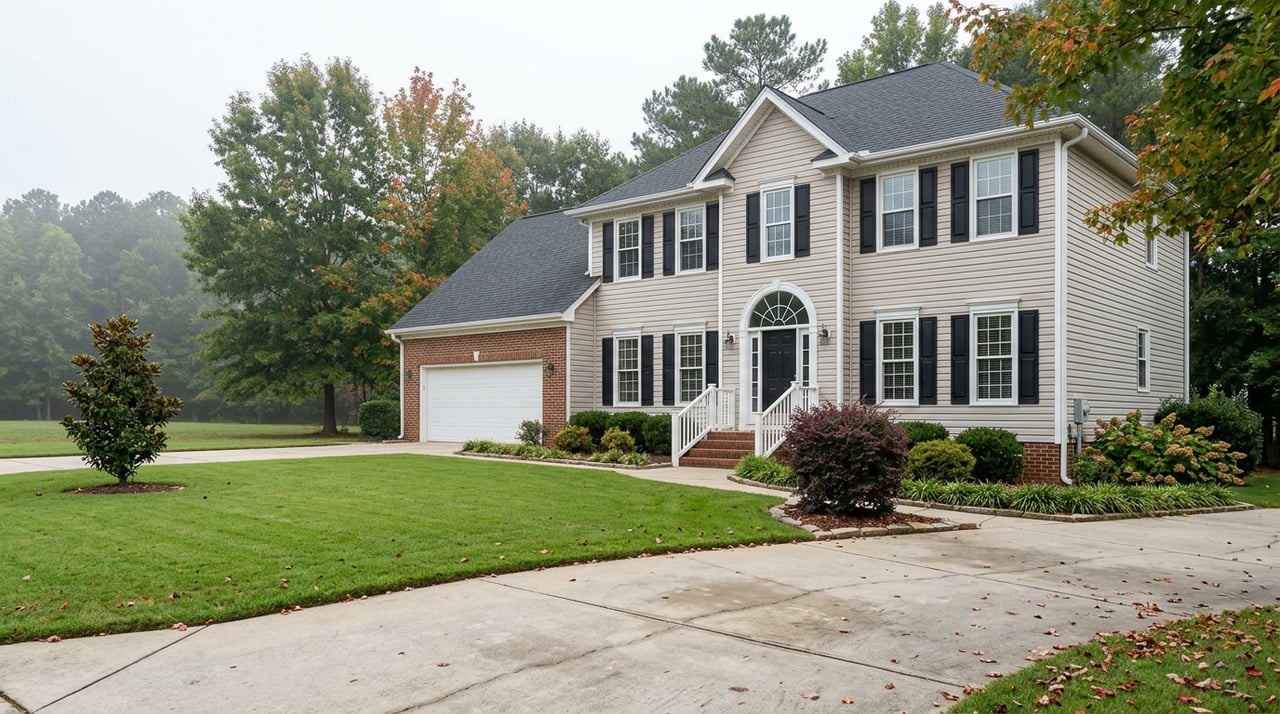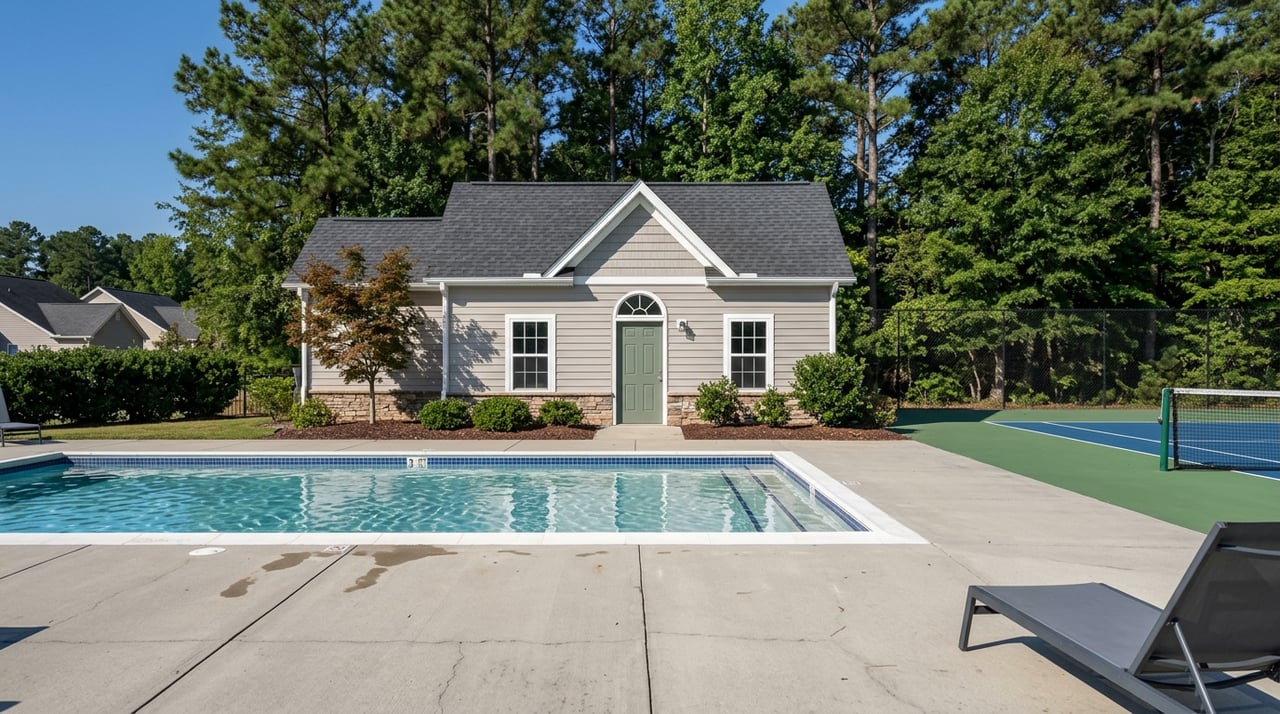
Picture your ideal weekend in Canton: a quick swim before lunch, pickleball with neighbors in the afternoon, and a sunset stroll on community trails. If that sounds right, you’re probably looking at a swim and tennis neighborhood. The challenge is that “swim/tennis” can mean anything from a quiet pool and two courts to a full resort club. In this guide, you’ll learn the main types of Canton communities, how HOAs and club memberships work, what amenities to expect, and what to confirm before you buy. Let’s dive in.
Types of Canton swim and tennis communities
Canton and greater Cherokee County offer several versions of the swim and tennis lifestyle. As you compare, balance three things: amenity scale, total cost, and governance. Larger, resort-style experiences often come with separate club dues and more programming, while neighborhood-level pools and courts are simpler and usually included in the HOA.
Master-planned country club communities
These are large, planned developments where a private athletic or country club operates the major amenities while a separate HOA maintains common areas. BridgeMill is a well-known local example with an 18-hole golf course, aquatics complex, racquet center, and dining options listed on the BridgeMill overview and BridgeMill Athletic Club pages. In this model, club membership is typically optional and charged separately from the neighborhood HOA.
Lake or gated resort communities
Gated “resort” neighborhoods bundle pools, tennis or pickleball, trails, and often golf or marina access. Nearby Lake Arrowhead in Cherokee County highlights pools, racquet courts, a marina, and extensive outdoor recreation on its community profile. Expect security features and a strong focus on outdoor programming.
Neighborhood swim and tennis subdivisions
These are classic single-family subdivisions with a neighborhood pool, one to four courts, and a small clubhouse operated by the HOA. Grand Oaks in Canton, for example, notes a pool and two lighted tennis courts on its community page. Fees and rules are simpler, and amenities are typically for residents and their guests.
Townhome or condo villages with shared amenities
Attached-home communities sometimes include pool and fitness access within higher monthly dues that can also cover exterior maintenance or insurance. You get convenience and low maintenance, with rules and budgets managed by a single association. Always review what your dues include.
Age-targeted (55+) villages
Active adult enclaves often offer a smaller, amenity-dense footprint with pool and racquet sports, plus low-maintenance living. Lakeside at River Green is a local 55+ option inside the larger River Green area, noted on 55places. These are popular if you want a social, lock-and-leave lifestyle.
Amenities you can expect
“Swim and tennis” covers a wide range. Look closely at the scale and programming so the day-to-day experience matches your goals.
- Pools and aquatics. Neighborhoods range from simple pools with cabanas to resort-style complexes with slides and splash zones. The Cherokee County Aquatic Center runs lessons, teams, and meets, which is helpful even if your HOA pool is smaller.
- Tennis and pickleball. Many communities offer lighted courts, organized ALTA/USTA play, and lessons. Larger clubs now feature dedicated pickleball courts and teaching pros, which you can see reflected on the BridgeMill Athletic Club site.
- Clubhouse, fitness, and dining. Master-planned settings often include staffed fitness centers, meeting rooms, and a grille or restaurant. Smaller HOAs usually have a basic clubhouse for events and rentals.
- Trails and parks. Many neighborhoods connect to greenways and county parks, which expands your options for walking, biking, and outdoor play. The county’s parks system, including the Aquatic Center, adds broader recreation beyond your neighborhood pool.
HOA models and fees: how it works
Understanding who owns and operates the amenities helps you budget and avoid surprises.
- Separate club plus HOA. In some master-planned communities, the HOA maintains common spaces while a private club operates the pool, courts, fitness, and dining. At BridgeMill, for example, the HOA assessment is separate from the athletic club membership. The BridgeMill overview and this HOA dues explainer illustrate how the fees are split.
- Single HOA model. Smaller subdivisions and many condo or townhome complexes use one association that owns and maintains amenities. Dues fund routine maintenance and long-term reserves. Grand Oaks’ community page is a good example of a straightforward neighborhood model.
- Georgia legal framework. Georgia’s Property Owners’ Association Act and related laws shape what HOAs can do, how documents are amended, and how collections work. Review your community’s recorded documents and Georgia’s overview on the HOA law guide.
- What fees look like. Dues vary widely by product type and amenity scale. Public examples in Canton show modest annual HOA assessments in some master-planned neighborhoods, with separate optional club dues, while attached-home associations can run much higher because they cover more. Use the BridgeMill HOA dues resource as a local illustration, then confirm all current figures directly with the HOA or club.
Canton community mini-profiles
BridgeMill (master-planned club model)
- Highlights: 18-hole golf, resort-style aquatics, racquet center with tennis and pickleball, fitness, and dining noted on the BridgeMill Athletic Club site.
- How it works: The neighborhood HOA is separate from the athletic club. Club access typically requires a separate membership. Review both sets of fees and rules.
Lake Arrowhead (lake and gated resort)
- Highlights: Pools, tennis and pickleball, marina and lake activities, trails, and golf as outlined on Lake Arrowhead’s community page.
- How it works: Expect gated entry, extensive common areas, and a resort-style amenity budget. Confirm any marina and dock rules before you assume boat access.
Grand Oaks (neighborhood swim and tennis)
- Highlights: Neighborhood pool and two lighted tennis courts per the Grand Oaks page.
- How it works: A single HOA maintains amenities and common areas. Dues are generally simpler, and access is for residents and their guests according to the HOA rules.
Buyer checklist: confirm what you actually get
Before you make an offer, request these items from the seller and verify with the HOA or club. Getting the official resale packet early helps avoid surprises.
- Official resale packet or estoppel letter that shows dues owed, status of accounts, and any transfer fees. See Georgia guidance on the resale certificate process.
- Current operating budget, most recent financials, and any reserve study or schedule. Learn why these matter in the Georgia HOA law guide.
- Records of special assessments in the past 5 to 10 years and any planned capital projects such as pool resurfacing or clubhouse roofs. You can see a local illustration of fee structure on the BridgeMill HOA dues page.
- Governing documents: Declaration or CC&Rs, bylaws, rules and regulations, and architectural guidelines. Confirm rules for exterior changes, grills, play equipment, solar panels, EV chargers, and rentals using the law guide.
- Management and vendor contracts for pool, landscaping, and club operations. Confirm insurance and bonding for service providers.
- Minutes from recent HOA board meetings. Look for repeated maintenance issues, litigation, or frequent board turnover.
- Club membership rules and fee schedule if there is a separate club. Verify eligibility, guest policies, and whether membership can transfer with a home.
Red flags that deserve a closer look
- Low or no reserves when big items are aging, such as pool decks, court surfaces, or clubhouse roofs, per the Georgia HOA law guide.
- Active or recent litigation involving the HOA or club. Understand the risks of disputes and collections with resources like Nolo’s Georgia HOA overview.
- Large recent or pending special assessments without a clear funding plan. Ask for documentation, timelines, and bids.
- Unclear amenity ownership. Do not assume pool, tennis, or fitness access is included in base HOA dues if a private club operates those facilities.
Match the community to your lifestyle
- If you want structured youth sports and lessons, look to larger communities or clubs with swim teams, junior tennis, and clinics. The BridgeMill Athletic Club highlights year-round programming and league play.
- If you want low maintenance with social amenities included, consider neighborhood swim and tennis subdivisions or attached-home communities where the HOA covers more of the upkeep. Confirm exactly what “included” means.
- If you want a lake or golf lifestyle, expect gated access, wider amenity offerings, and higher budgets. The Lake Arrowhead profile shows the resort-style experience; verify marina rules early if boating is a priority.
Choosing the right swim and tennis community in Canton comes down to clarity. When you understand who owns the amenities, how they are funded, and what the daily programming looks like, you can match your budget and routine to the right neighborhood fit. If you would like tailored guidance on Canton communities and current listings, connect with Amber Stout for a friendly, local perspective.
FAQs
What does “swim and tennis” mean on a Canton home listing?
- It signals neighborhood access to a pool and courts, but the scale ranges from a simple pool and two courts to a full club with fitness, dining, and events, so always confirm specifics with the HOA or club.
Are club memberships included with HOA dues in communities like BridgeMill?
- In master-planned settings such as BridgeMill, the HOA and the athletic club are separate, so club access typically requires a separate membership in addition to the neighborhood HOA assessment.
How much are typical HOA dues in Canton swim and tennis neighborhoods?
- Dues vary widely by community type, from modest annual assessments in some master-planned neighborhoods to higher dues in attached-home associations that cover more services; always verify the current budget and fee schedule.
Can renters use the amenities in these neighborhoods?
- Policies differ by community, so confirm whether owners, renters, and guests have access, how passes are issued, and whether any additional fees apply for seasonal or club use.
What documents should you review before making an offer in an HOA with amenities?
- Request the resale packet or estoppel letter, budget and financials, reserve study, governing documents, recent meeting minutes, vendor contracts, and if applicable, the club’s membership rules and fee schedule.